
 Available in US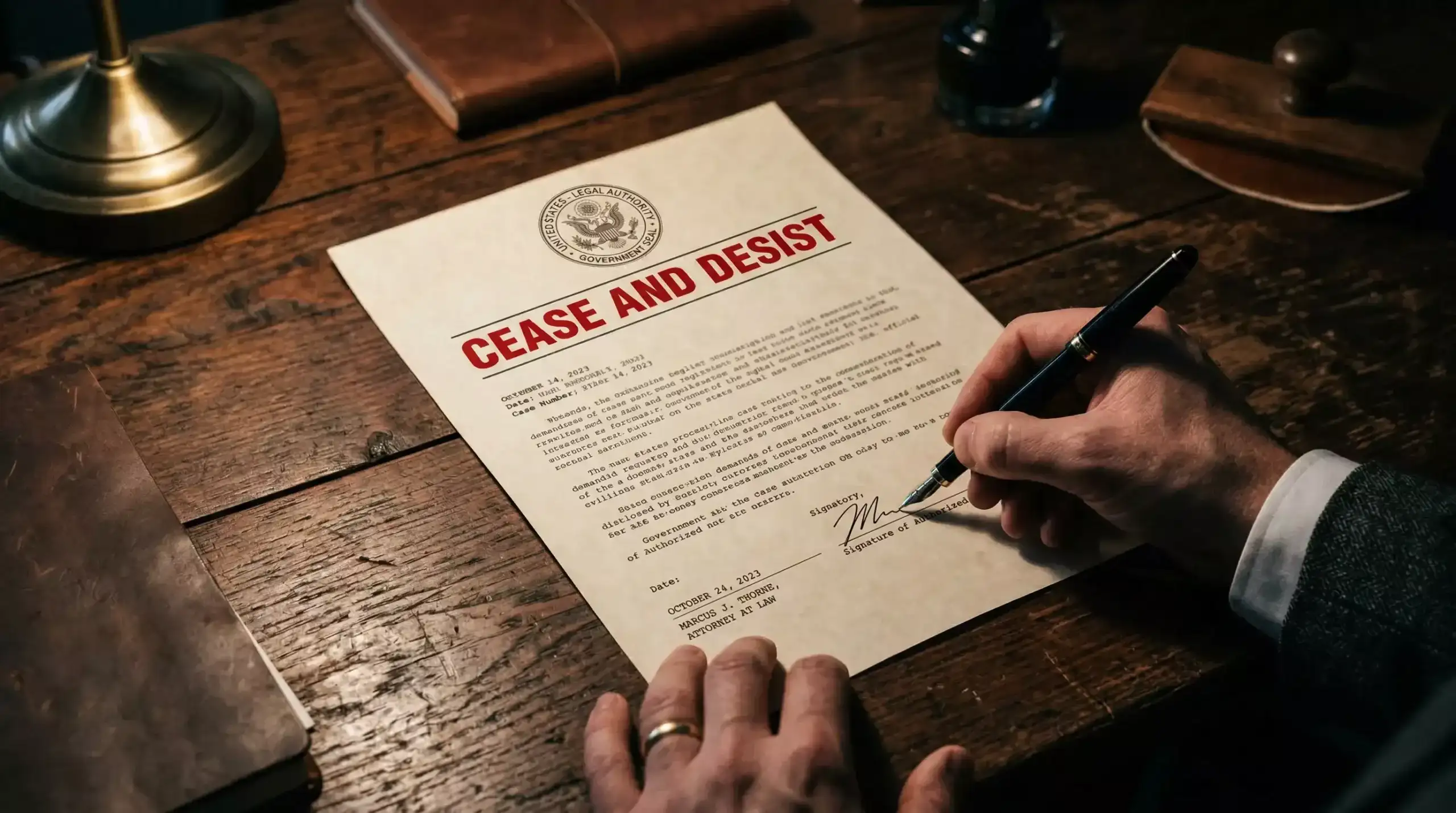
Cease-and-desist letters have become the primary enforcement tool states use against sweepstakes casinos. Rather than pursuing immediate criminal prosecution or civil litigation, attorneys general and gaming regulators send formal demands that operators stop serving their state’s residents. These letters create a paper trail that can support future legal action while giving operators the opportunity to withdraw voluntarily.
The scope of cease-and-desist activity has expanded dramatically. New York’s Attorney General sent 26 cease-and-desist letters to sweepstakes operators in June 2025, while Illinois issued 65 such letters in early 2026. These campaigns represent coordinated enforcement strategies rather than isolated regulatory actions, signaling that states are increasingly treating sweepstakes casinos as targets for systematic enforcement.
For players, understanding cease-and-desist letters helps clarify the legal environment in their state. A state that has issued these letters views sweepstakes casinos as problematic, even if outright prohibition hasn’t occurred. Operators who receive letters face choices about compliance that directly affect player access.
Cease-and-Desist Letters — More on this topic at sweepstakes legal.
What a Cease-and-Desist Letter Is
A cease-and-desist letter is a formal written demand that the recipient stop specified conduct. In the sweepstakes casino context, these letters typically demand that operators immediately stop accepting players from the issuing state, stop advertising or marketing to residents of that state, and stop processing transactions from players in that state.
The letter isn’t a court order or a criminal charge. It’s a formal communication from a regulatory authority stating that the authority believes the recipient is violating the law and demanding that the violation stop. The letter typically explains the legal basis for the demand—citing specific statutes the authority believes are being violated—and warns of potential consequences for non-compliance.
Cease-and-desist letters serve as both warnings and documentation. They put operators on notice that the state considers their activities illegal, eliminating any future claim that the operator didn’t know their services violated state law. This notice becomes important if the state later pursues enforcement actions—operators who continued operating after receiving cease-and-desist letters face stronger cases against them and potentially enhanced penalties.
The letters typically specify a response deadline—often 30 days—by which operators must confirm compliance or face escalated enforcement. Some letters demand immediate cessation while others allow reasonable time for technical implementation of geoblocking and player notification. The tone and deadlines vary by state and situation.
See also Sweepstakes Casino Geolocation.
Legal Weight of C&D Letters
Cease-and-desist letters occupy an interesting legal position. They aren’t enforceable orders—an operator cannot be held in contempt of court for ignoring them—but they carry significant practical and legal weight.
Ignoring a cease-and-desist letter doesn’t trigger automatic penalties. Unlike court orders, which carry contempt sanctions for non-compliance, cease-and-desist letters are essentially formal requests. An operator who continues serving a state after receiving a letter hasn’t violated any additional law by ignoring the letter itself.
However, the letter establishes knowledge and intent for future proceedings. If the state later brings civil or criminal charges, the cease-and-desist letter proves the operator knew their activities were considered illegal and chose to continue anyway. This documented knowledge can affect penalty calculations, transform negligent violations into willful ones, and eliminate defenses based on good-faith belief in legality.
Some cease-and-desist letters include explicit penalty warnings. They may state that continued operation will result in civil penalties of specific amounts per day or per violation, referencing the relevant statutory provisions. While the letter itself doesn’t impose these penalties, it makes clear what the state intends to pursue if the operator doesn’t comply.
The practical weight of cease-and-desist letters often exceeds their legal force. Operators must consider whether the revenue from a particular state justifies the legal risk of continued operation after formal notice. For many operators, especially those with U.S. business interests or banking relationships, the risk calculation favors compliance even though the letter itself isn’t legally binding.
States That Have Issued Cease-and-Desist Letters
Multiple states have used cease-and-desist letters as their primary or initial enforcement mechanism against sweepstakes casinos. The pattern of issuance reveals the expanding geographic scope of state action against the industry.
New York’s June 2025 campaign represented the largest coordinated cease-and-desist action to date. Attorney General Letitia James targeted 26 operators simultaneously, demanding they stop serving New York residents and warning of civil and criminal penalties under existing state gambling laws. The scale of the action signaled serious enforcement intent and preceded the introduction of S5935 legislation that would codify explicit sweepstakes casino prohibitions.
Illinois followed with 65 cease-and-desist letters in early 2026, targeting both sweepstakes casino operators and related businesses including payment processors and affiliate marketers. The Illinois approach recognized that directly reaching offshore operators is difficult and instead pressured the domestic infrastructure supporting sweepstakes operations. This expanded targeting created compliance pressure throughout the industry’s business ecosystem.
Other states that have issued cease-and-desist letters or similar regulatory notices include Florida, which received over 2,000 gambling-related complaints during 2023-2024 and has pursued enforcement against various operators. Several additional states have sent individual letters to specific operators without publicizing coordinated campaigns.
The pattern suggests cease-and-desist letters function as precursors to legislation or litigation. States test operator responsiveness through letters before committing resources to more intensive enforcement. Operators who comply with letters may avoid further action; those who don’t provide evidence supporting subsequent legal proceedings.
What This Means for Players
Players in states where cease-and-desist letters have been issued face an evolving access landscape. Operator responses vary, creating inconsistent availability that can change with little notice.
Some operators comply immediately with cease-and-desist demands, implementing geoblocking within days of receiving letters. Players in affected states suddenly find themselves unable to access platforms they previously used. Account access may be blocked entirely, or players may retain limited access to withdraw existing balances while being prevented from new play or deposits.
Other operators contest the legal basis for cease-and-desist demands and continue operating. These operators bet that states won’t follow through with enforcement or that their legal arguments about sweepstakes legality will ultimately prevail. Players can continue accessing these platforms, but do so with increased legal risk—both the operator and potentially the player are knowingly acting against stated regulatory positions.
Account balances create particular complications. Players with Sweeps Coin balances at platforms that suddenly implement geoblocking may need to contact customer support to arrange withdrawal procedures. Some platforms allow existing players to redeem balances from blocked states while preventing new activity; others may require proof of relocation before releasing funds. The specific treatment depends on platform policies and the terms of the cease-and-desist demand.
For players in states with active cease-and-desist campaigns, the prudent approach involves treating current access as potentially temporary. Maintaining balances only at levels you’re comfortable potentially losing, completing identity verification before accumulating large balances, and monitoring platform communications for access changes all reduce risk during enforcement uncertainty.
Reading the Regulatory Signals
Cease-and-desist letters indicate regulatory intent without creating immediate legal prohibitions. For players, these letters signal that their state views sweepstakes casinos unfavorably and is taking steps toward restriction, even if full prohibition hasn’t yet occurred.
States that issue cease-and-desist letters frequently follow with legislation, litigation, or both. New York’s letter campaign preceded S5935; California’s enforcement interest preceded AB 831. The letters test enforcement feasibility and document industry behavior, building the factual record that supports subsequent legal action.
Players should view cease-and-desist activity in their state as an early warning. Current access may continue depending on operator choices, but the regulatory trajectory points toward restriction. Planning for eventual access loss—whether through account withdrawal, platform diversification, or acceptance of regulated alternatives—positions players to navigate the transition when it comes.