
 Available in US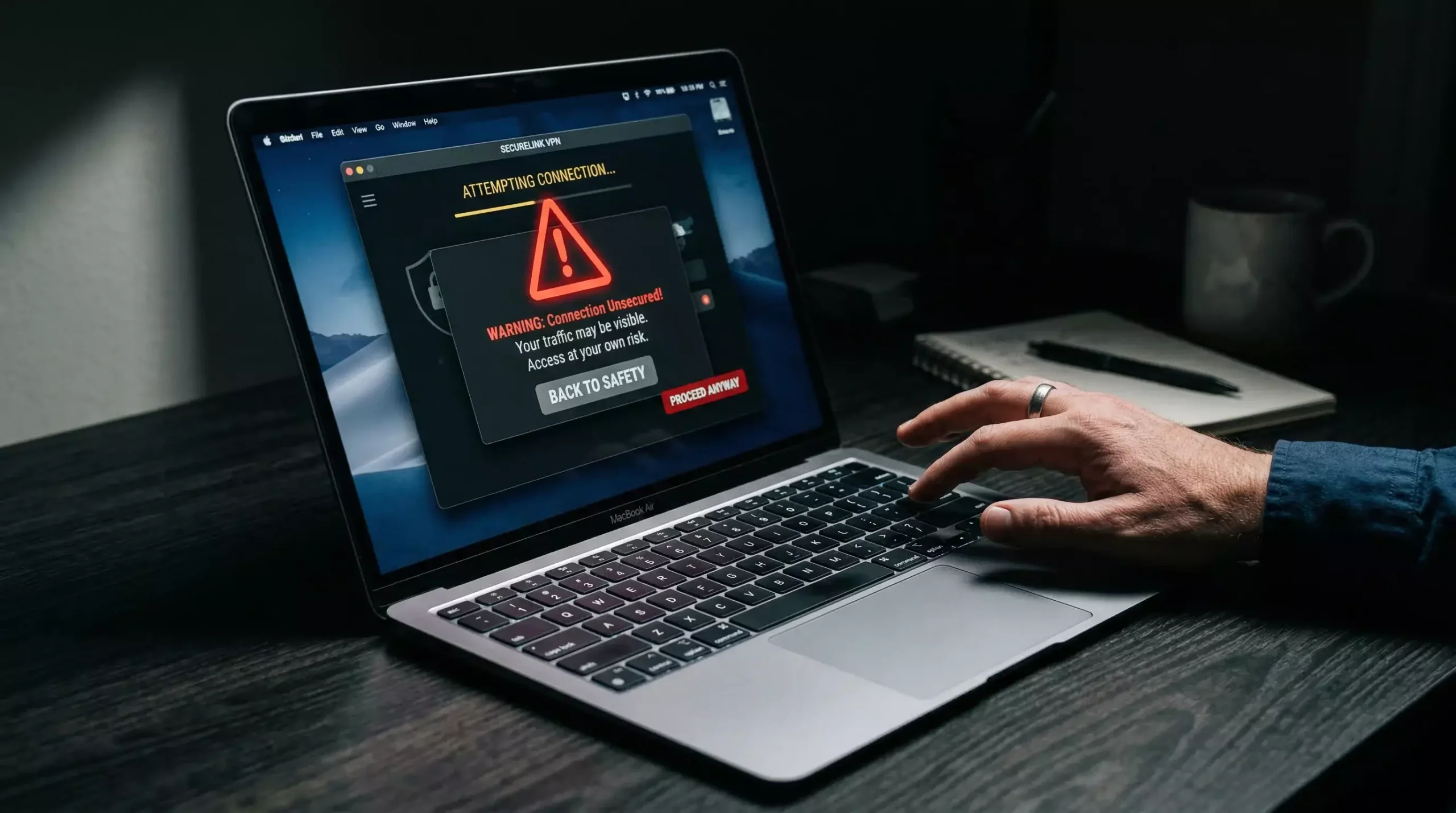
Players in restricted states sometimes consider using VPNs to access sweepstakes casinos blocked in their location. This approach might seem like a simple technical workaround—masking your IP address to appear as though you’re in an eligible state—but it carries serious risks that make it inadvisable. VPN use violates platform terms of service, exposes players to detection and account termination, and creates potential legal complications in states that have explicitly prohibited sweepstakes casino access.
The desire to circumvent restrictions is understandable. Players who moved from eligible states, or who live in states with restrictions they consider unreasonable, face exclusion from entertainment available to most Americans. But the consequences of VPN circumvention outweigh the benefits, creating risks that informed players should understand before attempting access through location masking.
As California’s Senate Public Safety Committee observed, sweepstakes casino structures allow “both player winnings and corporate profits to go untaxed“—concerns that motivate the geographic restrictions VPN users attempt to bypass. States implement these restrictions deliberately, and circumventing them carries consequences that extend beyond platform-level penalties.
Why Players Attempt VPN Access
Several circumstances motivate players to consider VPN circumvention despite the risks. Understanding these motivations contextualizes the behavior while explaining why the associated risks typically outweigh perceived benefits.
Players who established accounts in eligible states before moving to restricted jurisdictions face sudden access loss. Someone who played legally in Texas before relocating to Washington can no longer access platforms they previously used legitimately. The abruptness of this access loss—and the frustration of having complied with rules that changed due to their own relocation—motivates circumvention attempts.
Players in newly restricted states experience similar frustration. California players who used sweepstakes casinos throughout 2025 lost access when AB 831 took effect in January 2026. Illinois players facing cease-and-desist enforcement see platforms they used for years becoming unavailable. The transition from legal to restricted status feels arbitrary to players who haven’t changed their behavior.
Perceived unfairness of geographic restrictions motivates some circumvention attempts. Players in restricted states can observe friends and family in eligible states accessing sweepstakes casinos without issue. The inconsistency—identical activity being permitted in one state while prohibited in another—creates resentment that translates into willingness to bypass restrictions.
Technical sophistication enables circumvention thinking. Players familiar with VPNs for privacy protection or content access may view geographic restrictions as just another technical problem to solve. The same VPN that provides privacy for web browsing or access to geo-restricted streaming content seems applicable to sweepstakes casino access. This technical framing underestimates the specific risks involved.
VPN at Sweepstakes Casinos — More on this topic at sweepstakes legal.
Terms of Service Violations
Every legitimate sweepstakes casino explicitly prohibits VPN use and location misrepresentation in their terms of service. This prohibition isn’t buried in fine print—it’s a fundamental requirement that platforms actively enforce.
Terms typically require accurate location representation. Players must truthfully report their state of residence during registration and must actually be located in an eligible state when accessing the platform. Misrepresenting location—whether through VPN use, false address information, or any other means—violates these requirements regardless of whether the player ever encounters detection.
The terms of service create contractual obligations. By agreeing to platform terms during registration, players enter binding agreements that include location representation requirements. Violating these terms doesn’t just risk platform penalties—it constitutes breach of the contractual relationship between player and operator.
Platforms reserve broad remedial rights for terms violations. Standard terms authorize operators to terminate accounts, void accumulated balances, reverse pending redemptions, and permanently ban violating users. These remedies apply regardless of whether the player was actually harming anyone—the violation itself triggers consequences. Operators don’t need to prove damages to enforce their terms.
See also Sweepstakes Casino Safety.
Detection Methods
Sweepstakes casinos employ multiple technologies to detect VPN use and location misrepresentation. Modern platforms use sophisticated geolocation verification comparable to licensed gambling operations, making circumvention increasingly difficult and detectable.
IP analysis identifies VPN usage patterns. VPN services use identifiable IP ranges that geolocation databases flag. Platforms maintain and update lists of known VPN service IPs, blocking or flagging connections from these addresses. According to industry compliance specialists, geolocation providers like GeoComply specialize in detecting VPN usage, proxy servers, and other suspicious connection sources. Even VPN services claiming to avoid detection often use IPs that sophisticated platforms recognize.
GPS verification through mobile applications provides location data independent of IP addresses. Players using mobile apps must grant location permissions that provide GPS coordinates. VPN use doesn’t affect GPS data—a player in California using a VPN to appear in Texas still has California GPS coordinates unless they also spoof GPS, which requires additional technical steps with their own detection risks. Modern verification systems cross-reference multiple signals, so spoofing just one often triggers inconsistency alerts.
Multi-layer consistency checks identify location mismatches. Platforms compare IP geolocation against registered address, payment method billing address, GPS data (for mobile users), Wi-Fi network information, and historical access patterns. According to AWS analysis of iGaming geolocation, licensed verification suppliers use device-specific SDKs to examine operating systems for signs of tampering, VPNs, or location spoofing software. These same technologies are increasingly available to sweepstakes operators.
Behavioral patterns can indicate circumvention. Sudden location changes, unusual access times, connection pattern irregularities, and other behavioral signals contribute to fraud detection algorithms. These algorithms improve over time as platforms learn from detected circumvention attempts.
Consequences of Detection
Players caught using VPNs or misrepresenting location face consequences that typically exceed any benefit gained from the circumvention attempt. These consequences apply even to players who never intended harm and who may have accumulated substantial legitimate balances.
Account termination is standard. Detected violations result in immediate account closure. Players lose access to their accounts permanently—there’s typically no appeals process that results in reinstatement for location-related violations. The termination is immediate and final.
Balance forfeiture accompanies termination. Any accumulated Sweeps Coins, Gold Coins, or pending redemptions are voided without compensation. According to industry reporting, it’s not possible to redeem SC winnings if your location doesn’t match requirements—even if you initially bypassed geolocation checks during registration, the KYC verification required before redemption will expose the discrepancy.
Pending redemptions may be reversed. Players who submitted redemption requests before detection may see those requests cancelled. Even funds that appeared to be successfully processed can potentially be clawed back if operators identify the violation after initial processing.
Legal exposure exists in states with criminal penalties. California’s AB 831 creates potential criminal liability for individuals who access prohibited gambling services, with fines up to $25,000 and jail time up to one year. Nevada’s SB 256 classifies violations as category B felonies with penalties up to 10 years imprisonment. Connecticut’s SB 1235 carries criminal penalties up to 5 years. While enforcement against individual players remains unlikely, the theoretical exposure exists—and players using VPNs create documented evidence of their own violations that could surface in other legal contexts.
The Risk-Reward Reality
VPN circumvention offers uncertain access to entertainment while creating certain risks of account loss and potential legal exposure. This risk-reward balance makes circumvention inadvisable for reasonable players.
The entertainment benefit is limited and temporary. Even successful VPN access doesn’t guarantee ongoing access—detection can occur at any time, and platform improvements make detection increasingly likely. Players investing time and money into accounts they’re accessing through circumvention are building assets that can disappear without warning.
Alternative entertainment options exist. Players in restricted states have other entertainment choices that don’t require terms violations or legal risk. Legal gambling options may be available depending on state laws. Non-gambling entertainment provides value without the complications of circumvented sweepstakes casino access.
The conclusion for most players is clear: VPN circumvention isn’t worth the risk. The temporary access it might provide doesn’t justify the potential loss of accumulated value, the documented terms violations, or the legal exposure in states with sweepstakes casino prohibitions. Players in restricted states are better served by accepting current restrictions while monitoring for potential future changes in their state’s approach.