 Available in US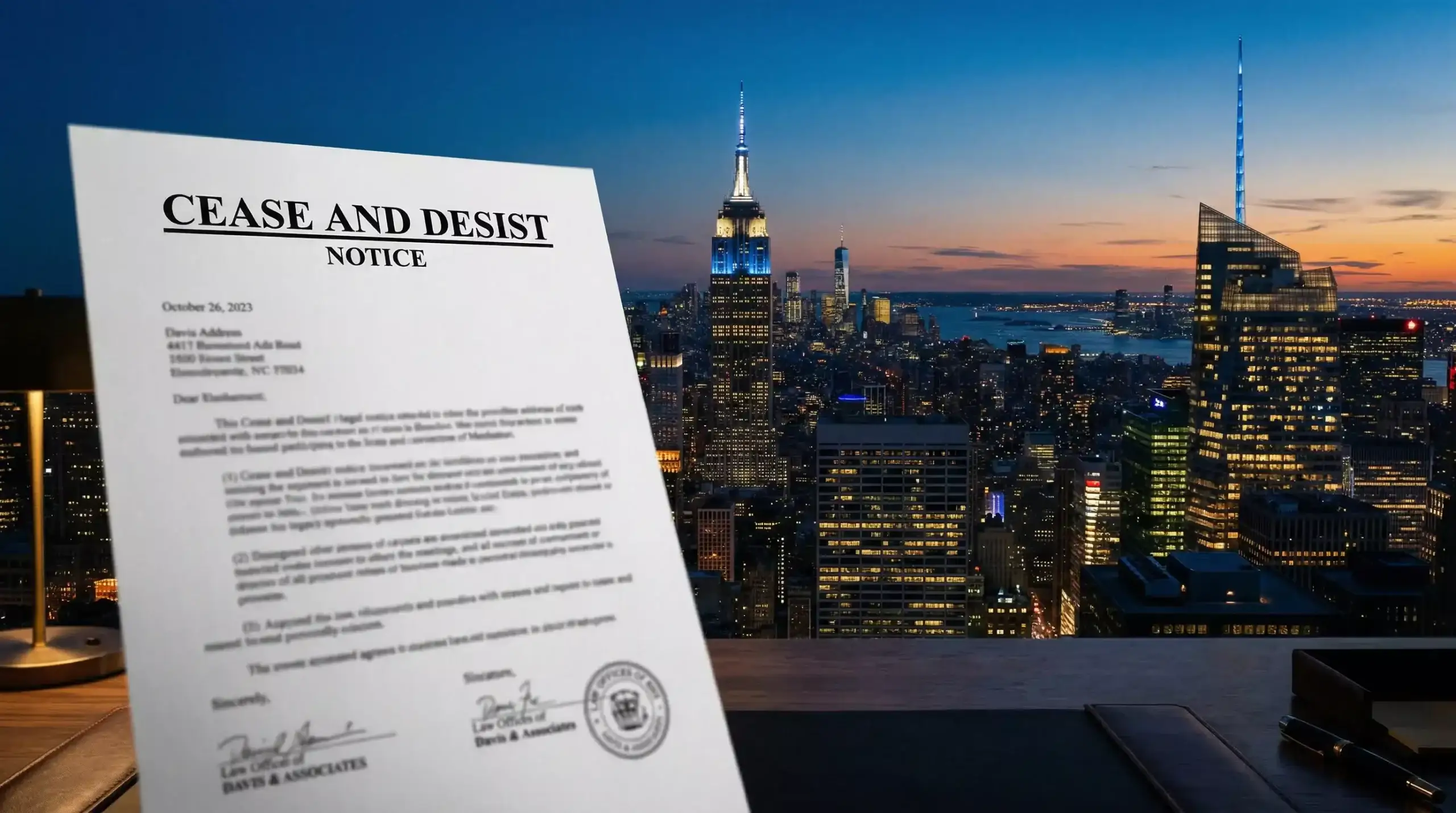
New York has emerged as one of the most aggressive states targeting sweepstakes casinos in 2025 and 2026. With a $762 million market at stake and Attorney General Letitia James leading enforcement efforts, the Empire State is reshaping the legal landscape for sweepstakes operators across the country.
The state’s approach combines immediate enforcement action with pending legislation designed to close perceived legal loopholes. In June 2025, the Attorney General’s office sent cease-and-desist letters to 26 sweepstakes casino operators, signaling that New York views these platforms as illegal gambling operations regardless of their dual-currency structure. Senate Bill S5935 would codify this position into law and establish substantial penalties for non-compliance.
For New York residents and operators alike, understanding the current enforcement landscape and pending legislative changes has become essential. The state’s actions have already prompted several major platforms to restrict access, while others continue operating in an increasingly uncertain legal environment.
New York Sweepstakes Casino Crackdown — More on this topic at sweepstakes legal.
Attorney General Letitia James Takes Action
Attorney General Letitia James didn’t wait for new legislation before acting against sweepstakes casinos. Her June 2025 enforcement campaign targeted 26 operators with cease-and-desist letters, arguing that their services already violate existing New York gambling law. The letters demanded that operators immediately stop accepting New York customers and warned of potential civil and criminal penalties for continued violations.
The legal basis for these letters rests on New York Penal Law Article 225, which prohibits promoting gambling and possessing gambling devices. James’s office argues that sweepstakes casinos meet the statutory definition of gambling regardless of their promotional structure. The state takes the position that the dual-currency model doesn’t change the fundamental nature of the activity—players are still engaging with chance-based games that can yield cash prizes. As Keith Whyte, President of Safer Gambling Strategies and former NCPG Executive Director, has noted, “Sweepstakes operators are exploiting an antiquated definition of gambling and an antiquated definition of sweepstakes.”
The cease-and-desist campaign represents a significant escalation from previous state enforcement patterns. While other attorneys general have sent occasional warning letters, the scale of New York’s action—26 operators targeted simultaneously—signals a coordinated strategy to shut down the industry’s presence in the state. Recipients included major platforms like Chumba Casino as well as smaller operators.
Operator responses varied. Several platforms implemented immediate geoblocking for New York IP addresses, while others continued operating and challenged the state’s legal interpretation. The varying responses created an inconsistent access landscape where New York residents found some platforms suddenly blocked while others remained technically available—though with increased legal risk for users.
The enforcement action also highlighted coordination challenges. Most sweepstakes casino operators are based outside New York, many outside the United States entirely. VGW, which operates Chumba Casino and controls the largest market share, is headquartered in Australia. This jurisdictional complexity limits the state’s ability to directly prosecute operators but doesn’t prevent enforcement against ancillary parties like payment processors and advertising platforms with New York presence.
See also New Jersey Sweepstakes Restrictions.
Senate Bill S5935: What the Legislation Proposes
Senate Bill S5935 would transform New York’s enforcement-based approach into a comprehensive statutory framework. The bill explicitly addresses sweepstakes casinos by name and closes the legal arguments operators have used to claim their services fall outside gambling regulations.
The legislation redefines key terms in New York gambling law to capture dual-currency models. Under S5935, “consideration” would explicitly include the exchange of personal information, the viewing of advertisements, and any activity that provides value to the operator—not just direct monetary payment. This language directly targets the legal foundation sweepstakes casinos rely on: the argument that free Sweeps Coins eliminate the consideration element required for an activity to constitute gambling.
Penalty provisions in S5935 align with existing gambling enforcement frameworks but apply them specifically to sweepstakes operations. Operators would face class E felony charges for promoting gambling through sweepstakes platforms, carrying potential imprisonment of up to four years. The bill also establishes civil penalty structures for operators who continue serving New York residents after receiving notice of the law’s prohibitions.
An important feature of S5935 is its extended liability provisions. Similar to California’s AB 831, the New York bill would impose legal exposure on parties beyond direct operators. Payment processors, advertising networks, affiliate marketers, and website hosting providers could all face penalties for facilitating sweepstakes casino operations aimed at New York residents. This approach recognizes that directly prosecuting offshore operators is often impractical and instead targets the domestic business infrastructure that enables their operations.
The bill faced committee review throughout late 2025 and carries significant support from New York’s regulated gaming industry. Tribal casinos and the state’s commercial casino operators have lobbied for sweepstakes restrictions, arguing that unregulated platforms create unfair competition while avoiding the substantial licensing fees and operational requirements imposed on legitimate gaming businesses.
Market Impact: 2 Million at Stake
New York’s sweepstakes market generated approximately $762 million in gross revenue during 2024, according to analysis by Eilers & Krejcik Gaming. This figure makes the state one of the largest sweepstakes markets in the country and explains why operators have been reluctant to withdraw voluntarily despite enforcement pressure.
The revenue figure represents gross sales—the total amount players spent purchasing Gold Coin packages. Net revenue, which accounts for prizes paid out, runs substantially lower. Industry research indicates sweepstakes casinos return 65-70% of gross revenue as prizes, suggesting net revenue from New York players falls in the $230-270 million range annually.
For context, this sweepstakes activity exceeds the revenue generated by New York’s single operating commercial casino, Resorts World Catskills, and rivals the combined output of several tribal gaming facilities. The regulated gaming industry’s support for sweepstakes restrictions partly reflects this competitive reality: unregulated platforms are capturing significant market share without contributing tax revenue or meeting regulatory requirements.
The state’s enforcement action has already produced measurable market effects. Several operators implemented geoblocking following the June 2025 cease-and-desist campaign, immediately reducing access for New York residents. Industry analysts estimate that full enforcement of S5935 would redirect significant player spending either to regulated gaming options or out-of-state sweepstakes alternatives accessed through technical workarounds.
Economic arguments cut both ways in the policy debate. Proponents of sweepstakes restrictions emphasize lost tax revenue and consumer protection concerns. Defenders of the industry note that sweepstakes casinos provide entertainment value to players who may not have convenient access to brick-and-mortar casinos and argue that prohibition tends to push activity into less regulated offshore markets rather than eliminate it entirely.
Current Access Status for New York Players
The access landscape for New York residents remains in flux. Some major operators blocked New York following the Attorney General’s enforcement action, while others continue accepting registrations and deposits from the state. This inconsistency creates confusion for players trying to understand what’s actually available and legal.
Players should understand that access availability doesn’t equal legal access. An operator’s decision to continue serving New York residents reflects their risk assessment about enforcement probability, not a legal determination that their services comply with state law. Using a sweepstakes casino that hasn’t blocked New York may still expose players to legal liability, particularly if S5935 passes with its explicit prohibitions.
Platforms that have implemented geoblocking verify location through multiple methods. IP address checking provides the first layer, but operators also use GPS data from mobile devices, cross-reference billing addresses from payment methods, and verify residential addresses during the KYC process required for prize redemption. Players who attempt to circumvent blocks using VPNs typically find their accounts terminated when they try to withdraw winnings.
For players who have existing account balances with operators that have blocked New York access, the situation varies by platform. Some operators have allowed existing players to continue accessing accounts for withdrawal purposes while blocking new registrations and deposits. Others have frozen accounts entirely, requiring players to contact customer service and verify out-of-state residency before accessing funds. Checking each platform’s terms of service and contacting customer support directly provides the most accurate information about specific account situations.
What Comes Next for New York
New York’s trajectory points toward comprehensive sweepstakes casino restrictions. The combination of active enforcement through the Attorney General’s office and pending legislation through S5935 creates dual pressure on operators. Even if the bill faces delays in the legislative process, the cease-and-desist campaign provides immediate enforcement tools.
Players should expect access to become increasingly restricted regardless of S5935’s fate. Major operators are likely to continue implementing geoblocking as the enforcement environment intensifies. The pattern established by California’s AB 831—where operators withdrew proactively rather than face explicit legal prohibition—may repeat in New York as the costs and risks of continued operation increase.
For New York residents seeking casino-style gaming, regulated alternatives exist. The state’s commercial casino in the Catskills, numerous tribal gaming facilities, and regulated online platforms for horse racing provide legal options. The potential expansion of mobile sports betting and eventual iGaming legalization could offer additional regulated options in coming years—though those regulatory frameworks would come with the consumer protections and tax contributions that sweepstakes casinos have avoided.