
 Available in US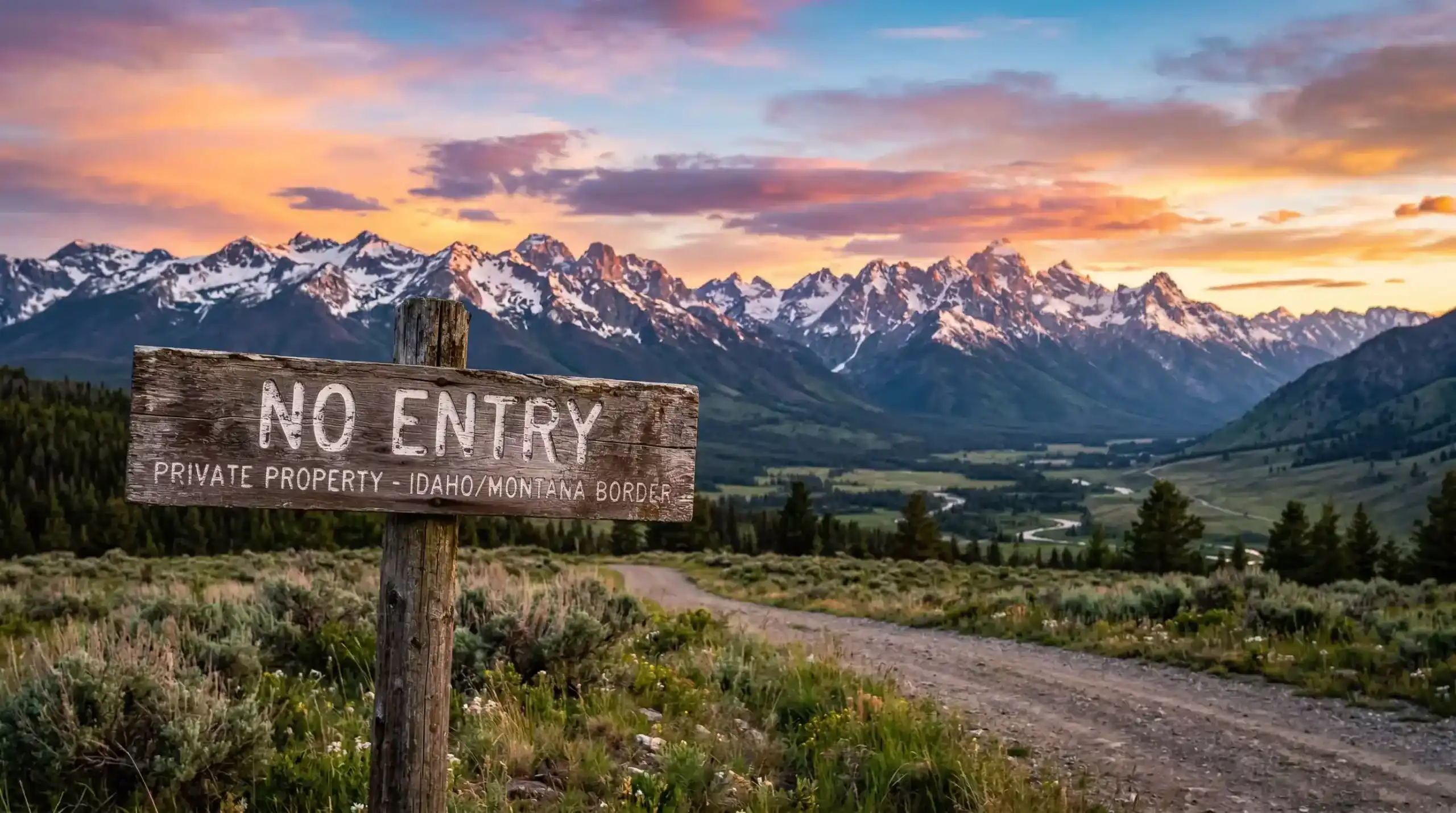
Idaho and Montana don’t make headlines in the sweepstakes casino debate. Unlike California with its AB 831 or New York with its attorney general campaigns, these rural western states attract minimal industry attention. Yet both effectively ban sweepstakes casinos, and residents of both states find major platforms blocked when they try to register.
The reasons differ from the coastal states pursuing aggressive new legislation. Idaho and Montana have historically restrictive gambling laws that predate the sweepstakes industry by decades. Neither state has developed significant regulated gaming markets that need protection from unregulated competitors. The bans aren’t defensive moves to protect tax revenue—they reflect longstanding cultural and political opposition to commercial gambling in any form.
Understanding why sweepstakes casinos are blocked in Idaho and Montana means understanding states where gambling itself remains controversial, where tribal gaming operates under carefully limited compacts, and where the legal arguments that work in permissive jurisdictions find no traction. For residents of these states, the message is consistent: if you want to gamble, you’ll need to travel.
Idaho & Montana Sweepstakes Bans — More on this topic at sweepstakes legal.
Idaho’s Conservative Gambling Framework
Idaho maintains one of the most restrictive gambling environments in the United States. The state constitution explicitly authorizes only three forms of gambling: state lottery games, pari-mutuel betting on horse and dog racing, and bingo operated by charitable organizations. Everything else requires a constitutional amendment—a deliberately high bar that reflects the state’s historical resistance to expanded gambling.
This constitutional framework creates an insurmountable obstacle for sweepstakes casinos. Unlike states where gambling is prohibited only by statute—laws that can be amended through ordinary legislative processes—Idaho’s restrictions are embedded in the fundamental legal structure of the state. No amount of creative legal argumentation about dual currencies or promotional models can overcome a constitutional prohibition.
Idaho Code Title 18, Chapter 38 criminalizes gambling activities beyond those specifically authorized. Penalties include misdemeanor charges for participating in illegal gambling and felony charges for operating gambling businesses. While enforcement typically targets visible commercial operations rather than individual players, the statutory framework provides clear authority to pursue any gambling activity not explicitly permitted.
Tribal gaming in Idaho operates under federal law and compact agreements, but even tribal casinos face significant restrictions compared to other states. The five tribal gaming facilities in Idaho offer Class II gaming—primarily bingo and electronic bingo devices—rather than the full casino operations common in states with more permissive compacts. This limited tribal gaming hasn’t created the political constituency that might push for broader gambling expansion.
The practical result is straightforward: major sweepstakes operators block Idaho because the legal risk offers no corresponding reward. The state’s population of under two million residents, combined with the unambiguous prohibition, makes market entry economically irrational regardless of how operators structure their services.
See also Prize-Chance-Consideration.
Montana’s SB 555 and Gaming Restrictions
Montana takes a different approach from Idaho while reaching similar results. Rather than blanket prohibition, Montana maintains a complex regulatory framework that authorizes limited gambling through specific statutory carve-outs. If an activity isn’t explicitly authorized and regulated, it’s prohibited by default.
The state allows video gambling machines in licensed establishments like bars and taverns, with strict limitations on payouts and machine characteristics. Montana Lottery operates keno and scratch games. Card rooms can offer limited poker under specific rules. But this patchwork of authorized activities doesn’t include sweepstakes gaming in any form—and the structure doesn’t lend itself to the creative interpretations sweepstakes operators use elsewhere.
Senate Bill 555 addressed internet gambling specifically, establishing that online gambling activities not explicitly authorized under Montana law are prohibited. The legislation closed potential arguments that Montana’s gambling laws, written before widespread internet access, didn’t contemplate online operations. The bill made clear that medium of delivery doesn’t change the underlying prohibition.
Enforcement authority rests with the Montana Department of Justice’s Gambling Control Division. The Division licenses all authorized gambling activities and investigates unlicensed operations. While direct enforcement against offshore sweepstakes operators presents practical challenges, the Division maintains relationships with payment processors and can pursue civil remedies against companies with Montana business presence.
Montana’s gambling politics differ from neighboring Idaho’s moralism. The state tolerates significant gambling activity through its video lottery and card room systems. The opposition to sweepstakes casinos isn’t about opposing gambling generally—it’s about maintaining control over what types of gambling operate and ensuring activities fit within regulated frameworks that generate state revenue and enforce consumer protections.
The Rural State Context
Idaho and Montana share characteristics that shape their gambling policies. Both are sparsely populated—Idaho has about two million residents, Montana just over a million. Both have politically conservative electorates where gambling expansion generates significant opposition. Both have economies less dependent on tourism than coastal states where gambling serves as a visitor attraction.
Population density matters for enforcement economics. In California, where sweepstakes casinos generated an estimated $2.42 billion in 2025 revenue according to Eilers & Krejcik Gaming analysis, enforcement protects substantial tax base. In Idaho and Montana combined, the potential market represents a rounding error by comparison. The sweepstakes industry hasn’t invested in legal challenges to these states’ restrictions because the potential payoff doesn’t justify the legal expense.
The rural West also has different relationships with tribal gaming. While tribes operate facilities in both states, these operations exist under tighter constraints than tribal casinos in California, Connecticut, or Oklahoma. The limited tribal gaming hasn’t created the powerful political interests that in other states have pushed for either gambling expansion or protection of established markets from new competitors.
Cultural factors reinforce legal restrictions. Both Idaho and Montana have strong constituencies—religious conservatives, anti-gambling activists, fiscal conservatives skeptical of gambling economics—who actively oppose any gambling expansion. Politicians who might otherwise be neutral on gambling issues recognize that supporting expansion carries political risk without obvious constituency benefit. The path of least resistance is maintaining existing restrictions.
Why Operators Show Limited Interest
Sweepstakes casino operators make business decisions about market entry based on risk-reward calculations. Idaho and Montana present unfavorable ratios on both dimensions. The legal risk is clear—both states have unambiguous prohibitions without the gray zones that operators exploit elsewhere. The potential reward is minimal—combined population under three million in states with below-average incomes and no established online gambling culture.
Compare this to the effort operators invest in challenging restrictions in states like California or New York. Those markets represent billions in potential revenue, justifying substantial legal and political expenditure. Idaho and Montana don’t move the needle for any major operator’s financial projections, so the rational response is to simply block these states and focus resources on more promising markets.
This lack of operator interest creates a self-reinforcing cycle. Without operators pushing for access, there’s no organized advocacy for changing state laws. Without legal challenges, the prohibitions remain untested in court. Without market presence, there’s no constituency of players who might demand policy change. The practical effect is that Idaho and Montana’s sweepstakes bans face no meaningful opposition.
The Practical Reality for Players
Residents of Idaho and Montana seeking sweepstakes casino access face consistent blocks from major operators. Attempting to circumvent geoblocking using VPNs creates the same risks as in other banned states: account termination, forfeiture of any accumulated balance, and potential legal exposure under state gambling laws.
Legal gambling alternatives are limited but exist. Idaho offers tribal gaming facilities with electronic bingo and some limited casino-style games, plus lottery products. Montana provides video lottery terminals in bars and taverns, card rooms with regulated poker, and lottery games. Neither state offers the full online casino experience that sweepstakes platforms attempt to replicate.
For players willing to travel, neighboring states offer different options. Nevada’s comprehensive casino market is accessible from both states, though obviously requires significant travel for most residents. Washington has tribal casinos, though it also bans sweepstakes operations. Oregon offers limited casino gaming through tribal facilities. The geography of the rural West means legal gambling access often requires planning trips rather than opening websites.
Unlike states where sweepstakes restrictions are controversial and actively contested, Idaho and Montana’s bans exist in a context of general gambling restriction that isn’t likely to change. Players in these states should plan accordingly—the sweepstakes casino industry isn’t fighting for access to markets this small, and domestic political conditions don’t favor gambling expansion. The bans are stable, entrenched, and unlikely to attract the kind of legal or political challenges that might eventually open access.