 Available in US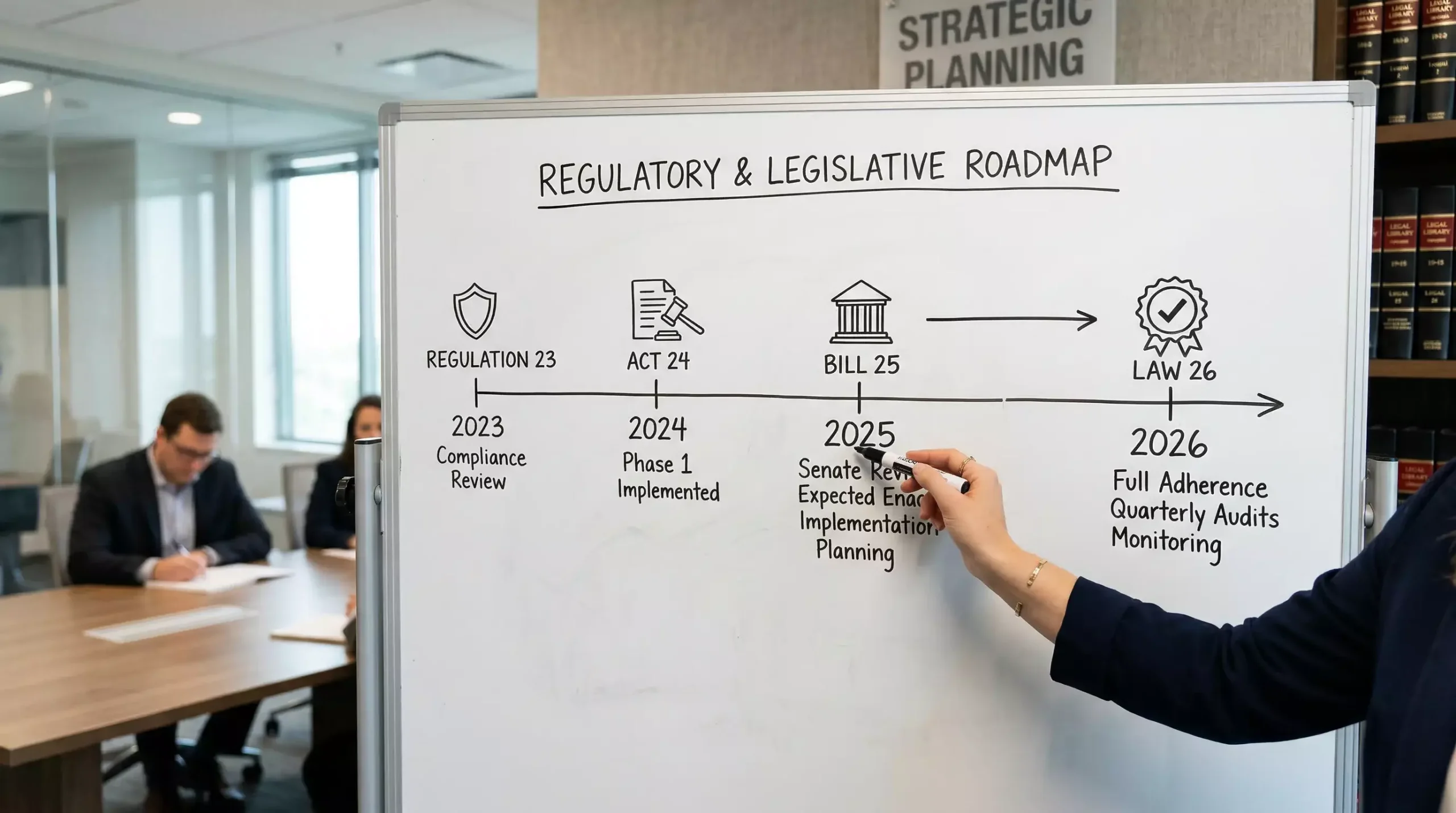
The sweepstakes casino industry’s regulatory environment has transformed dramatically over three years. What began as scattered state scrutiny in 2023 escalated into coordinated legislative action by 2025, culminating in effective prohibitions in multiple major markets by 2026. Tracking this timeline helps players and industry observers understand how the current landscape emerged and where it might head next.
The legislative arc follows a recognizable pattern: industry growth attracts regulatory attention, which triggers enforcement actions, which motivate formal legislation. States that initially ignored sweepstakes casinos now actively pursue them. Platforms that operated nationwide have withdrawn from multiple states. The regulatory gray zone that enabled rapid industry expansion has narrowed considerably.
Understanding this timeline contextualizes current access restrictions and suggests the trajectory for states still considering action. The pattern established from 2023 through 2026 will likely continue as more states address sweepstakes casinos through their own legislative processes.
Sweepstakes Casino Legislation Timeline — More on this topic at sweepstakes legal.
2023: The Growth Phase
The sweepstakes casino industry entered 2023 in a period of rapid expansion. Market revenue exceeded $5 billion annually, player acquisition surged, and major operators invested heavily in advertising and platform development. The regulatory environment remained permissive—most states hadn’t specifically addressed sweepstakes casinos, and platforms operated freely in over 45 states.
Regulatory attention was minimal but growing. Washington State continued enforcing its longstanding gambling laws against sweepstakes operations, maintaining blocks that dated back years. A few other states issued informal guidance questioning sweepstakes casino legality, but formal enforcement remained rare. The industry expanded into the regulatory vacuum, assuming that silence from regulators implied acceptance.
Industry consolidation accelerated. VGW, operating Chumba Casino and Global Poker, solidified its market-leading position with approximately 50% market share. Competitors including Pulsz, LuckyLand, and newer entrants invested in customer acquisition to capture shares of the growing market. The competitive dynamics drove marketing spending higher, increasing industry visibility to regulators and the public.
Consumer complaints began accumulating. State attorneys general and consumer protection agencies received growing numbers of complaints about sweepstakes casino practices—redemption delays, account closures, unclear terms. These complaints established documentation trails that would support later enforcement actions. The seeds of regulatory response were planted even during the growth phase.
See also Florida Sweepstakes Casino Status.
2024: Regulatory Attention Intensifies
The shift toward active regulation accelerated through 2024. Multiple states initiated formal reviews of sweepstakes casino operations, and the first significant legislative proposals emerged. The industry’s growth had made it too large to ignore.
California began developing AB 831 in response to concerns from tribal gaming interests and consumer advocates. The state’s sweepstakes casino market—estimated at $2.42 billion or approximately 20% of national revenue—made it a priority target for those seeking industry restrictions. Legislative hearings examined the promotional sweepstakes model and its relationship to gambling regulation.
New Jersey advanced A5447 to protect its established iGaming market from unregulated competition. With billions in licensed online gambling revenue at stake, the state moved to eliminate sweepstakes casino access through substantial civil penalties. The bill’s $100,000 to $250,000 fine structure signaled that New Jersey would treat sweepstakes violations as serious commercial offenses.
Connecticut took enforcement action against High5Games, securing a $1.5 million settlement for operating without proper licensing. This enforcement demonstrated that states would pursue concrete penalties, not just warnings. The Connecticut action provided a template for other states considering how to address sweepstakes operators.
Industry lobbying efforts expanded. The Social Gaming Leadership Alliance became more active in advocating for regulatory frameworks that would allow licensed sweepstakes casino operation. Dan Hartman, former Colorado Division of Gaming director, warned operators that “you can’t all break in through the backdoor”—licensed operators had paid heavily for legitimate market access, and regulators wouldn’t indefinitely tolerate unregulated competition.
2025: The Crackdown Year
Legislative and enforcement action reached its peak in 2025. Seven states introduced bills targeting sweepstakes casinos: New Jersey, Mississippi, Maryland, Connecticut, New York, Nevada, and Florida. Multiple states moved from proposal to passage, fundamentally changing the industry’s operating environment.
California’s AB 831 passed and was signed into law, establishing January 1, 2026 as the effective date for sweepstakes casino prohibition. The legislation increased penalties to $25,000 per violation, extended liability to affiliates and payment processors, and criminalized sweepstakes casino operation in the state. Operators began withdrawing from California months ahead of the effective date.
New York’s Attorney General Letitia James launched an aggressive enforcement campaign, sending 26 cease-and-desist letters to sweepstakes casino operators in June 2025. The coordinated action targeted both major platforms and smaller operators, establishing New York as hostile territory regardless of whether pending legislation passed. Senate Bill S5935 continued advancing through the legislative process.
Connecticut passed SB 1235 with criminal penalties including up to five years imprisonment for sweepstakes casino operation—the harshest penalties enacted by any state. The combination of criminal sanctions and the earlier High5Games enforcement made Connecticut one of the most dangerous jurisdictions for operators.
Industry revenue continued growing despite regulatory pressure. According to KPMG analysis, sweepstakes casino gross revenue reached $10.6 billion in 2024 and was projected to reach $14.3 billion in 2025. The industry expanded in states without restrictions even as it contracted in states implementing bans. Net growth masked significant geographic redistribution of player activity.
2026: The Current Landscape
By early 2026, the sweepstakes casino industry operates in a fragmented regulatory environment. California’s AB 831 took effect January 1, removing one of the industry’s largest markets. Major operators have blocked California, New York, Connecticut, New Jersey, Washington, Idaho, and Montana. Additional states including Illinois have issued cease-and-desist letters creating uncertain access.
Illinois escalated enforcement dramatically, with the Gaming Board in coordination with the Attorney General’s Office issuing 65 cease-and-desist letters to sweepstakes operators in February 2026. This campaign exceeded even New York’s enforcement scope, putting another major population center into the restricted category. Operators continue serving Illinois while assessing whether to implement blocks proactively.
Pending legislation threatens additional markets. Florida, with its 2,000+ gambling complaints and active legislative proposals, may restrict sweepstakes casinos during 2026 sessions. Nevada maintains an unusual status where operators self-block despite no explicit prohibition, avoiding conflict with the state’s powerful gaming regulators. Michigan and other states with iGaming markets are watching the results of early-mover restrictions.
The industry’s geographic footprint has contracted substantially from its 2023 peak. Sweepstakes casinos that once operated in 45+ states now face restrictions in states representing approximately 30% of the US population. Players in blocked states have lost access; players in accessible states wonder how long their access will continue.
What the Timeline Suggests
The legislative trajectory points toward continued restriction rather than stabilization or reversal. States that have acted against sweepstakes casinos haven’t reversed course. States still permitting access face growing pressure from regulated gaming interests and consumer protection advocates. No state has moved to explicitly legalize and regulate sweepstakes casinos in a way that would provide operational stability.
For players, the timeline suggests treating current access as potentially temporary. States without restrictions today may implement them within months. Platforms currently available may implement geoblocks as enforcement pressure mounts. The industry’s regulatory status remains contested rather than settled.
For operators and industry observers, the timeline suggests that the unregulated growth phase has ended. Future industry development will occur either through legitimate regulatory frameworks—if states create licensed sweepstakes categories—or through continued contraction as more states follow the prohibition path California and Connecticut have established.